
The Forces Shaping How We'll Eat in 2026
Welcome to Dadascope’s Second Annual Sustainable Food Trends Report
A Food System at an Inflection Point
Last year, we launched Dadascope’s first Sustainable Food Trends Report to capture the signals we were seeing across food, agriculture, and culture. This year, we invited an esteemed group of industry leaders, innovators, and systems thinkers (aka our friends and partners) to share what they see coming next.
What emerged isn’t a tidy list of trends. It’s a portrait of a food system at an inflection point, both brimming with progress and threatened by contradictions.
On one hand, we’re celebrating momentum: renewed dietary guidelines built on a foundation of whole (albeit greenhouse gas-intensive) foods, increased scrutiny of ultra-processed foods (UPFs), a growing appetite for transparency, and a cultural shift toward connection and engagement. On the other, we’re contending with rising grocery prices, weakened climate and nutrition programs, geopolitical volatility, and policies that too often work against the very outcomes they claim to support.
The message from our contributors is clear: if we want to change how people eat—for the health of people and planet—policy, markets, and culture must move together. The silver lining: those forces can be heavily influenced by consumer demand, and demand is moving in the right direction.
— Dana Smith, Dadascope Founder + President
p.s. We hope you’ll continue to follow ongoing conversations like this one on Spin Cycle.
This report would not have been possible without the insightful contributions from our generous community. We are grateful for the partnership and friendship of each of our contributors:








Christina Brehm, Senior Manager of Innovation & Insights, Lotus Foods
Dr. Carsten Carstens, Chief Science Officer, Karana
Dana Cowin, Founder of Progressive Hedonist and former Editor-in-Chief of Food & Wine
Jennifer Dianto Kemmerly, Vice President of Global Ocean Conservation, Monterey Bay Aquarium
Lara Dickinson, Executive Director + Co-Founder, One Step Closer
Sophie Egan, MPH, Founder of Full Table Solutions and author of How to Be a Conscious Eater
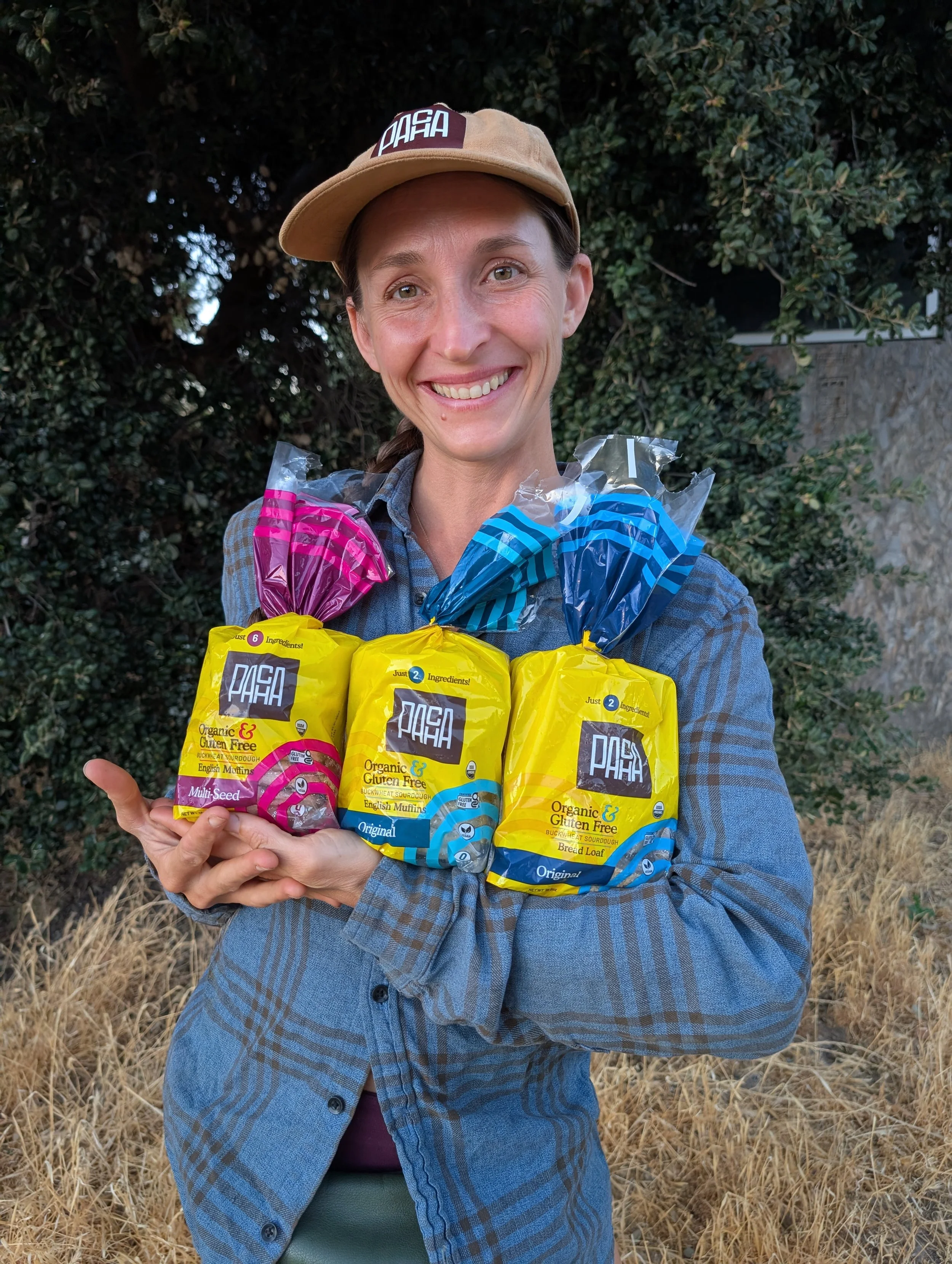
Madeleine Hamann, Co-founder, PACHA
Alisa Knapp, Owner, Grows Together Consulting
Carlotta Mast, Co-founder + Partner, The Fifth Field
Will Rosenzweig, Entrepreneur, Educator, and Co-founder + Chair of Idea Garden Institute
Larissa Zimberoff, Journalist covering the future of food and author of Technically Food: Inside Silicon Valley’s Mission to Change What We Eat
Eight Trends Shaping How We'll Eat in 2026
1. Policy, Power, and the Future of How We Eat
Dietary Guidelines, MAHA, and the Growing Focus on Ultra-Processed Foods
The release of new dietary guidelines and the rise of MAHA have pushed food policy back into the mainstream conversation. UPFs are no longer a niche concern. They’re being named as a systemic issue, prompting everything from product reformulation to new certifications like Non-UPF Verified.
“Reformulation and regulation can only go so far; the next phase of this reckoning will depend on whether the agricultural system that supplies ultra-processed foods begins to change as well.”
But, as regenerative food innovation expert Alisa Knapp noted, guidelines and rhetoric only matter if they’re supported by infrastructure.
The gutting of climate initiatives, SNAP programs like SNAP-Ed—where food values, skills, and preferences are formed—and the continued subsidization of commodity agriculture create a fundamental contradiction. We’re telling people what they should eat while dismantling the systems that make those choices accessible, affordable, and culturally relevant.
PACHA co-founder Madeleine Hamann noted that we risk politicizing food in ways that obscure nuance. Debates around seed oils, animal fats, and saturated fats are becoming shorthand for ideology rather than grounded nutrition science, opening the door for confusion, polarization, and opportunistic marketing.
Journalist Larissa Zimberoff agrees, cautioning against reductive thinking in the rush toward new food dogmas. The elevation of beef tallow and coconut oil, for example, ignores legitimate health and environmental tradeoffs. In contrast, olive oil—nutrient-rich, climate-resilient, and deeply rooted in culinary tradition—is poised to reassert itself as both a health and sustainability hero, according to Zimberoff.
The Takeaway: If dietary guidelines are going to improve public health outcomes, they must be paired with education, access, agricultural, and economic policies that reinforce—not undermine—them.
2. Don’t Believe the Hype (or When Protein Jumped the Shark)
GLP-1s, Protein Washing, and the Illusion of Healthy Choice
Across the board, contributors pointed to a renewed focus on simplicity. According to The Fifth Field’s Carlotta Mast, shorter ingredient lists with fewer additives and more whole foods will become a point of competitive differentiation for CPG manufacturers. Paired with ultra-processed foods’ moment of reckoning, this shift presents a real opportunity for small and midsized brands that have built their businesses and supply chains around minimal processing, transparent sourcing, and whole-food ingredients, according to Knapp.
But this moment also faces being drowned out by significant noise. The rapid adoption of GLP-1 medications has sparked anxiety among large food companies facing a future of shrinking calorie consumption. Big Food has responded by flooding the market with “protein-packed” versions of the same ultra-processed products, from cereals to snack foods to pastries. The illusion of health is being used to preserve old habits, with marketing messages warning consumers against the false threat of “craving denial” and the benefits of “choice.”
As several contributors noted, this strategy risks drowning out a truth consumers have resisted for years but are increasingly ready to hear: whole food is always better.
For the Monterey Bay Aquarium’s Vice President of Global Ocean Conservation, Jennifer Dianto Kemmerly, the easy choice is sustainably caught or farm-raised seafood: “As food costs fluctuate, perhaps consumers will broaden their horizons and diversify their palates – the range of delicious and ocean-friendly seafood is broad, from oysters (low on carbon footprint, high on nutrients) to omega-three packed salmon.”
Dr. Carsten Carstens of Karana points to a “shift towards actual nutritional balance with a focus on whole foods, nutrient dense vegetables, and fiber for gut & microbiome health.”
The Takeaway: Ingredient integrity is becoming a competitive advantage, but only when paired with transparency, knowledge, context, and a willingness to move beyond marketing hype.
3. Value, Access & the Rise of Underconsumption
Rising grocery prices are forcing households to be more intentional. But rather than defaulting to scarcity thinking, OSC’s Lara Dickinson says that we’re seeing the early signs of a more mindful food culture.
“ As trend cycles and technological advances continue to accelerate in the digital world, consumers seek greater control over their physical worlds. In food, this trend may show up as more mindful, streamlined shopping...Increased reliance on clean-out-the-fridge-type meal solutions also aligns with ever-present value-seeking behavior in grocery... ”
William Rosenzweig and Christina Brehm highlighted trends like underconsumption, streamlined shopping, cooking at home, meal planning, and using what’s already in the fridge. These behaviors aren’t just budget-conscious: they align with some of the most effective climate solutions identified by Project Drawdown, including reducing food loss and waste.
The Takeaway: Consumers are willing to pay for food that delivers nutrient density, gut health benefits, and transparency when they understand why it matters.
4. Climate Adaptation on the Menu
For this trend, we turned to the ultimate source: Dana Cowin, former Editor-in-Chief of Food + Wine and founder of Progressive Hedonist, a community and podcast dedicated to the powerful potential for food to bring about change and spark joy.
“I’m excited about a variety of micro-trends that tweak the ingredients in beloved staples + luxe foods in response to changes in the global growing climates. Pasta that’s made with alternatives to wheat like chickpea or lupini beans like Brami; coffee made with non-Arabica beans (or combined with Arabica) like Atomo; chocolates made with cupuacu (and cacao) like Figa.
I’m also rooting for the chefs with research labs who are investigating ways to respond to climate change, like Dan Barber with Row 7 and Endless Food Co in Copenhagen from Maximillian Bogenmann and Christian Bach.”
“I think 2026 will be the year that olive oil’s place in our hearts is firmly established. Olive oil is a monounsaturated fat with antioxidant benefits that are completely absent from coconut oil and beef tallow. In addition, olive trees as a crop, especially in California, is a highly sustainable choice for farmers — it requires far less water than nut trees, can grow in rocky, dry soil and olive trees have a longer lifespan.”
And according Dianto Kemmerly, “Chefs are re-engaging in and trying out new (sustainably caught or farm-raised seafood) sources and products, introducing flavors and stories of resilience from the fishers and fish farmers at the source.”
The Takeaway: As supply chains are threatened by rising temperatures and changing climate patterns, culinary taste makers and chefs play a critical role in inspiring eaters to embrace new solutions.
5. Global Supply Chains, Trade Policy, and the Limits of “Buy Local”
Tariffs and geopolitical instability are putting pressure on global food systems just as collaboration is needed most.
Some supply chains can—and should—be localized. Others simply cannot. Coffee, tea, chocolate, rice, and spices will never be fully domestic, and pretending otherwise risks erasing the farmers and communities who depend on these crops for their livelihoods.
It also puts undue strain on the small and midsize brands, who are working tirelessly to demonstrate what’s possible: investing in regenerative farming, supporting farmer livelihoods, and improving climate outcomes across borders. But small brands cannot carry this work alone.
Knapp also noted that we’re seeing renewed interest in domestically grown heritage crops and perennial food systems, such as chestnuts, pecans, Kernza, sorghum, and millet. These ingredients are already starting to power product innovation, from beer to condiments to alternative milks, but the challenge ahead isn’t innovation. It’s scaling the processing, infrastructure, and markets needed to bring these crops into everyday diets and menus.
The Takeaway: Global impact requires policy frameworks that support ethical trade, climate resilience, and farmer prosperity, not ones that undermine them.
6. Community, Culture, and the Mental Health Case for Shared Meals
Food must be embraced as medicine for body and soul. That is something we heard loud and clear from several contributors who pointed to a resurgence of communal dining, third spaces, and IRL food experiences as an antidote to loneliness, anxiety, and digital overload.
“We know that Gen Z in particular but pretty much everyone is struggling with mental health challenges at unprecedented rates. With the daily onslaught of bad news, high costs of food and other facets of daily life, and the countless uncertainties about the future (AI, geopolitics, climate...), a small treat helps people get through the day. ”
When people eat together, they exchange more than recipes. They share norms, knowledge, and motivation, laying the groundwork for collective action in schools, neighborhoods, and local food systems.
The Takeaway: Community tables and food experiences like Progressive Hedonist, the Edible Schoolyard Project, tea rituals, and dinner clubs nourish body, mind and community as the loneliness epidemic, mental health crisis, and societal division continue to intensify.
7. AI Joins the Dinner Party
AI is already influencing how food is grown, formulated, distributed, and marketed. And its just getting started.
From precision agriculture and climate forecasting to ingredient innovation, supply-chain optimization, and personalized nutrition, AI has the potential to increase efficiency and reduce waste. It will also shape how consumers discover food, make choices, and understand their own health.
The opportunity—and the risk—lies in how these tools are governed.
The Takeaway: Without transparency and values alignment, AI could reinforce inequity. Used thoughtfully, it could help unlock more resilient, responsive food systems.
8. Regenerative Food Meets Human Health
If there’s a true breakthrough moment on the horizon, this may be it.
For years, regenerative agriculture has struggled to resonate beyond industry insiders. What’s changing is the narrative: soil health is being directly connected to human health.
Companies like Edacious are helping translate farming practices into measurable nutrient outcomes, making regeneration personal, tangible, and relevant. Once consumers understand that how food is grown affects how it nourishes their bodies, regenerative practices stop being abstract ideals and start becoming daily decisions.
“Transparent, sexy nourishment is the name of the game.”
The Takeaway: Connecting regenerative practices to health outcomes and then translating them into credible sustainable food stories is the missing link for driving consumer adoption. By increasing demand we see the potential to strengthen markets, attract investment, and—critically—build the political will needed to scale change.
Looking Ahead: Aligning Policy, Markets, and Demand
The contributors to this year’s report aren’t predicting a single future, but they do have one thing in common: An understanding that real change depends on a systems mentality.
Issuing dietary guidelines without the policies to support them won’t fly. Real change only comes when we can align health, climate, trade, and education around a shared vision of nourishment.
The predicament we now find ourselves in — depleted soil, minds and bodies — isn’t a product of chance. It’s a direct reflection of policy that has shaped fifty years of agricultural practices and, in turn, food production and marketing. As the veil begins to lift from consumers’ eyes and the mainstream market becomes “woke” to the impact of food on their families’ health and well-being, there is a rare opportunity to translate awareness into action, and demand into durable systems that finally work in service of human and planetary health.